
101 Fly Creek Ave #301, Fairhope, AL 36532
If you wake up with a sore jaw or headaches, you are not alone. Many Fairhope residents dismiss jaw pain as random bad luck. But why your jaw pain might be stress, not just bad luck in Fairhope is something Dr. Robin Hollon at Hollon and Taylor Dental sees regularly. Understanding the real causes can put you on the path to lasting relief.
Jaw pain is often a signal your body is sending you. It rarely appears without a reason. The temporomandibular joint, or TMJ, connects your jawbone to your skull. When this joint is stressed or damaged, it creates a ripple effect of discomfort throughout your head, neck, and face.
Why Stress Is One of the Biggest Culprits Behind Jaw Pain in Fairhope
Stress affects your body in surprising ways. One of the most common is jaw clenching. When you feel anxious or overwhelmed, your muscles tighten — including those in your jaw. Over time, this constant tension puts enormous strain on the TMJ.
Many people clench their jaws without realizing it. It can happen during the workday or while sitting in traffic. You may not notice until soreness sets in. The connection between emotional stress and physical jaw pain is well-documented and often underestimated.
Here in Fairhope, patients frequently describe jaw pain that worsens during stressful periods at work or at home. That pattern is a strong clue. Stress management and dental treatment often need to go hand in hand for real improvement.
Bruxism: When Nighttime Grinding Makes Everything Worse
Bruxism is the clinical term for grinding or clenching your teeth. It most often happens during sleep. Because you are unconscious, you have no control over it. Many people grind their teeth for years before anyone identifies the problem.
The effects of bruxism build up slowly. Tooth enamel wears down. The jaw muscles stay inflamed. Headaches become a morning routine. These are not coincidences — they are signs your bite is under repeated stress.
Common warning signs of bruxism include:
- Waking up with jaw soreness or stiffness
- Frequent morning headaches or earaches
- Worn, chipped, or flattened teeth
- Increased tooth sensitivity
- A partner noticing grinding sounds during sleep
A custom nightguard from Dr. Robin Hollon can protect your teeth and reduce pressure on the joint. This simple device often brings dramatic relief. It is one of the first steps in treating stress-related TMJ disorders.
Bite Misalignment and Past Jaw Injuries as Hidden Triggers
Your bite plays a bigger role in jaw health than most people realize. When your upper and lower teeth do not fit together properly, your jaw compensates constantly. That compensation strains the TMJ over time. Even a small misalignment can create significant discomfort.
Bite issues can develop for several reasons. They may be present from childhood. They can also result from missing teeth, worn teeth, or previous dental work that shifted your bite. Sometimes Restorative Dentistry solutions — like crowns or dental bridges — are part of correcting a bite that has gone off balance.
Past jaw injuries are another hidden cause. A car accident, sports impact, or even a fall years ago can leave the joint vulnerable. Scar tissue, inflammation, or subtle structural changes may not cause symptoms right away. But they can make the joint much more sensitive to stress and strain later in life.
If you have ever had a jaw injury, mention it to Dr. Hollon during your exam. What seems like unrelated history may be a key piece of the puzzle.
Arthritis and Other Medical Factors That Affect the TMJ
Not all jaw pain comes from habits or injuries. Some patients develop TMJ disorders due to arthritis. Osteoarthritis can wear down the cartilage cushioning the joint. Rheumatoid arthritis causes inflammatory changes that affect joints throughout the body — including the jaw.
These conditions do not mean jaw pain is untreatable. They do mean that treatment needs to account for the underlying medical cause. Dr. Robin Hollon takes a thorough approach to diagnosis. Understanding what is driving your pain is essential before recommending any treatment plan.
Other medical factors that can contribute to TMJ symptoms include:
- Fibromyalgia and other chronic pain conditions
- Sleep disorders, including sleep apnea
- Hormonal changes that affect connective tissue
- Connective tissue diseases that loosen joint structures
The overlap between sleep apnea and jaw problems is especially worth noting. Poor sleep increases stress hormones, which can worsen clenching. This creates a cycle that is hard to break without addressing both issues together.
How a Dental Exam Helps Connect the Dots
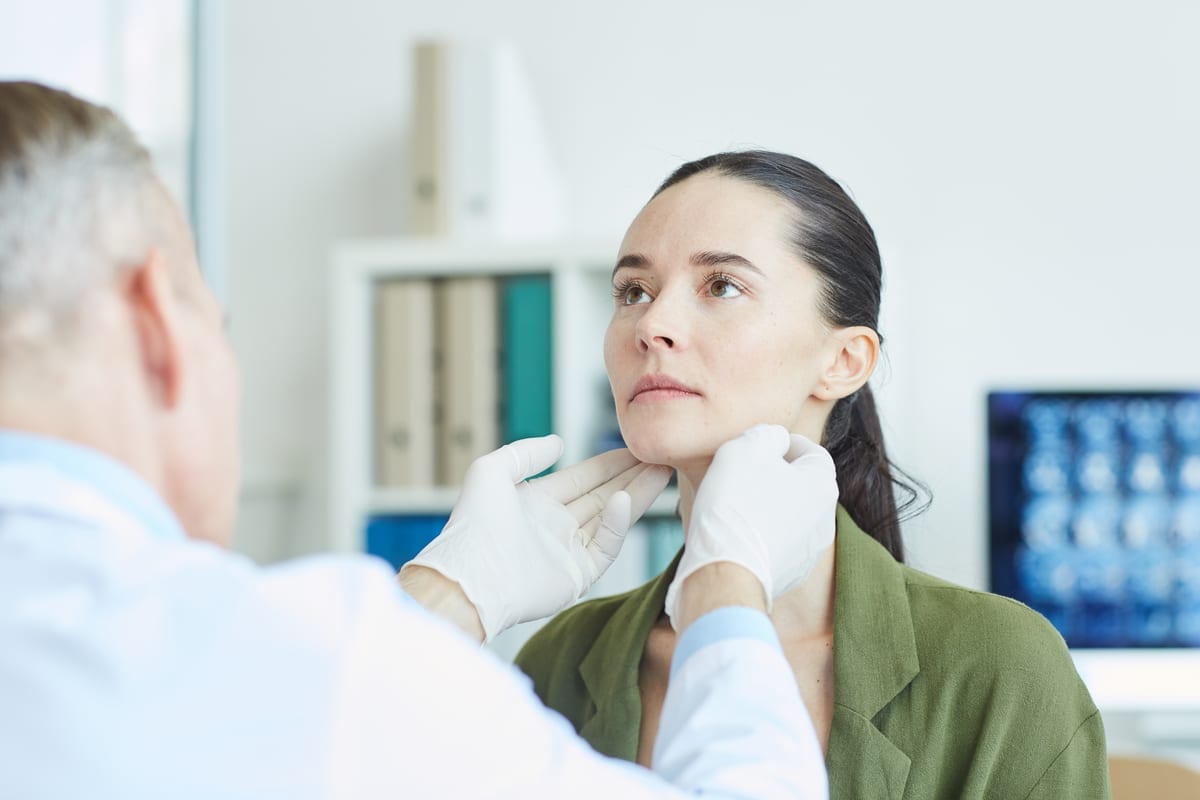
Identifying the cause of jaw pain requires more than guessing. Dr. Robin Hollon evaluates the jaw joint, muscles, bite, and teeth during a comprehensive exam. This full-picture approach helps pinpoint what is actually driving your symptoms. It also rules out dental problems that might be contributing.
In some cases, worn or damaged teeth need attention before jaw treatment can be fully effective. Options from Cosmetic Dentistry can also play a role in restoring teeth that bruxism has damaged. Treating the whole mouth — not just the joint — leads to better long-term outcomes.
Your exam may also reveal that several causes are working together. Stress, a slight bite imbalance, and old enamel wear can combine to create significant discomfort. Knowing this allows Dr. Hollon to create a plan that addresses each factor carefully.
Taking the First Step Toward Jaw Pain Relief in Fairhope
You do not have to accept jaw pain as a permanent part of your life. Many patients find significant relief once they understand what is causing their symptoms. The first step is a thorough evaluation with a dentist who understands TMJ disorders. Dr. Robin Hollon and the team at Hollon and Taylor Dental are here to help Fairhope patients get answers and feel better. Book Now to schedule your appointment with our team.
Frequently Asked Questions
Can stress really cause jaw pain without any dental problem?
Yes, absolutely. Stress causes muscle tension throughout your body, including your jaw. Clenching and grinding from stress can inflame the TMJ even when your teeth are otherwise healthy. Addressing stress alongside any dental treatment is often essential for full relief.
How do I know if I have bruxism if I sleep alone?
You may notice worn or flattened teeth, increased sensitivity, or regular morning headaches and jaw soreness. Dr. Robin Hollon can identify signs of bruxism during a dental exam, even without a witness to the grinding. Early detection helps prevent further damage.
Is jaw pain from arthritis treatable at a dental office?
Yes, dental treatment can help manage TMJ symptoms even when arthritis is involved. Custom oral appliances, bite adjustments, and other therapies can reduce pain and protect the joint. Dr. Hollon may also coordinate with your physician to address the underlying arthritis effectively.
Can a bad bite cause jaw pain even if my teeth look fine?
Yes. Misalignment does not always show up as visible dental problems. Your jaw can compensate for a subtle bite issue for years before pain develops. A thorough bite evaluation at Hollon and Taylor Dental can identify misalignment that is contributing to your discomfort.
How long does it take to feel better after starting TMJ treatment?
Many patients notice improvement within a few weeks of beginning treatment. Results vary depending on the cause and severity of your jaw pain. Consistent use of an oral appliance and any recommended lifestyle adjustments can speed up recovery significantly.