101 Fly Creek Ave #301, Fairhope, AL 36532

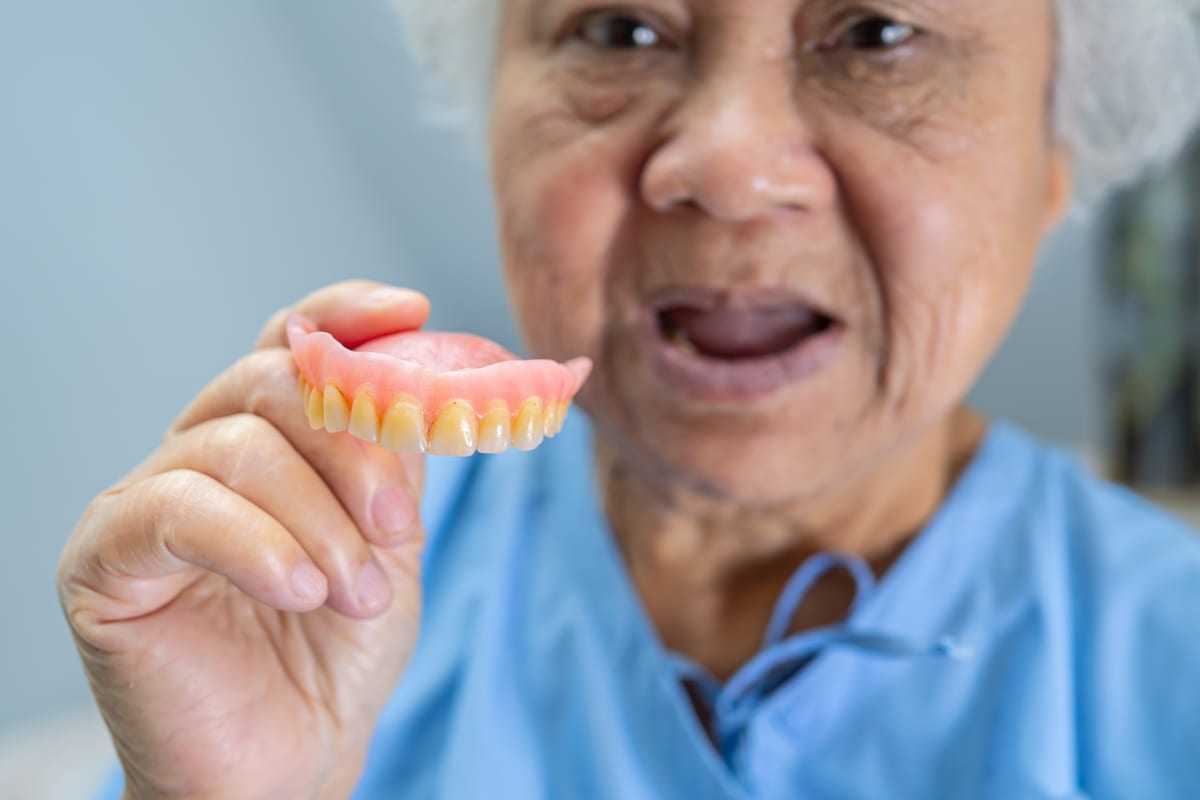
Most denture wearers in Fairhope don’t realize their daily habits directly affect how long their dentures last. Your dentures could last twice as long with this one routine in Fairhope — and it’s simpler than you think. The difference between dentures that fail in five years and ones that thrive for ten often comes down to consistency. Dr. Robin Hollon at Hollon and Taylor Dental Fairhope wants every patient to get the most out of their investment.
Dentures are durable, but they’re not indestructible. Small daily mistakes can cause cracks, warping, staining, and bacterial buildup over time. The good news is that the right care routine takes just minutes each day. Follow these steps, and you’ll protect your smile for years to come.
The Daily Cleaning Routine That Changes Everything in Fairhope
Cleaning your dentures every day is the single most important habit you can build. Food debris and plaque accumulate on denture surfaces just like they do on natural teeth. Left unchecked, that buildup leads to odor, staining, and even gum irritation. A thorough clean each day keeps all of that at bay.
Use a soft-bristle denture brush — never a standard toothbrush. Standard brushes are too abrasive and scratch the denture surface. Those scratches create tiny grooves where bacteria thrive and stains set in permanently.
Here is a simple daily cleaning routine to follow:
- Rinse your dentures after every meal to remove loose food particles
- Brush all surfaces gently with a non-abrasive denture cleaner each evening
- Avoid regular toothpaste — it contains micro-abrasives that damage denture materials
- Rinse thoroughly with cool or lukewarm water before reinserting
- Never use hot water — it can warp the shape of your dentures
This routine takes fewer than five minutes. Yet most patients skip parts of it without realizing the long-term damage they’re causing. Consistency here is the foundation of everything else.
Why Soaking Overnight Protects Your Denture Structure
Dentures are designed to stay moist. When they dry out, the acrylic material can become brittle and crack. Soaking overnight keeps the material flexible and dimensionally stable. It also gives denture-cleansing solutions time to kill bacteria that brushing alone can miss.
Place your dentures in a denture-soaking solution or plain water every night before bed. Most dentists, including Dr. Robin Hollon, recommend a mild effervescent cleansing tablet dissolved in water. These tablets break down stain-causing compounds and eliminate odor-causing bacteria effectively.
A few important soaking rules to remember:
- Never soak dentures in hot water — it distorts the fit
- Avoid bleach-based solutions unless specifically recommended by your dentist
- If your dentures have metal clasps, use plain water — some solutions can tarnish metal
- Replace the soaking solution every night — reusing it reduces effectiveness
Giving your dentures time to soak also gives your gum tissue a rest. Wearing dentures around the clock puts constant pressure on the gums. That pressure can accelerate bone loss over time. Your mouth needs those overnight hours to breathe and recover.
Handling Mistakes That Shorten Denture Lifespan
Improper handling is one of the leading causes of preventable denture damage. A single drop onto a hard bathroom floor can crack or break a denture entirely. The repair costs can be significant, and sometimes replacement is the only option. Protecting your investment starts with how you handle dentures during cleaning.
Always fill your sink with water or place a folded towel on the counter before removing your dentures. This creates a soft landing if they slip from your hands. This simple precaution takes two seconds and could save you hundreds of dollars.
Other common handling mistakes include:
- Bending or flexing the denture while cleaning — this weakens the structure over time
- Storing dentures in a tissue or napkin — they can be thrown away accidentally
- Letting children or pets handle dentures — this is more common than you’d think
- Using adhesive as a substitute for a proper fit — see your dentist if your fit has changed
If you notice your dentures feel loose or uncomfortable, that is a sign your gum tissue or bone has changed shape. Don’t try to adjust the fit yourself. Contact Hollon and Taylor Dental Fairhope so Dr. Robin Hollon can assess whether a reline or new dentures are needed.
Routine Dental Visits Extend Denture Life and Protect Your Gums
Even if you don’t have natural teeth left, regular dental checkups are still essential. Dr. Robin Hollon examines your gum tissue, checks for signs of bone loss, and assesses the fit of your dentures at each visit. A poorly fitting denture puts uneven pressure on your gums, which accelerates tissue changes. Those changes then make the fit worse in a cycle that’s difficult to reverse.
Professional cleanings also remove calculus buildup that home cleaning misses. Yes — tartar can form on dentures just as it does on natural teeth. Buildup that isn’t removed professionally becomes a persistent source of bacteria and irritation.
Beyond denture care, routine visits allow Dr. Hollon to screen for oral cancer, assess overall gum health, and discuss any changes to your bite. Whether you’re interested in Restorative Dentistry Fairhope options or exploring Cosmetic Dentistry Fairhope treatments to complement your smile, your regular visits are the right time to explore those conversations. Most patients should visit at least once a year, though twice yearly is ideal for most denture wearers.
Common Denture Care Myths That Cost Fairhope Patients Money
A lot of misinformation circulates about denture care. These myths lead patients to develop habits that quietly damage their dentures over time. Knowing what not to do is just as important as knowing the right routine.
Myth: Regular toothpaste is fine for cleaning dentures. Regular toothpaste contains abrasive particles designed for enamel. Denture materials are much softer. Over time, toothpaste scratches the surface and makes dentures more vulnerable to staining and bacteria.
Myth: You only need to clean dentures once a day. Rinsing after meals is a critical extra step. Food trapped under the denture base creates pressure points and bacterial growth between full cleanings.
Myth: If dentures feel fine, no dental visits are needed. Fit issues often develop gradually. Patients may not notice the change until significant bone loss has occurred. Regular assessments catch these problems early, before they become expensive corrections.
Myth: Soaking in mouthwash is a great disinfectant. Many mouthwashes contain alcohol, which dries out and weakens denture materials. Use products specifically formulated for dentures instead.
Conclusion: Start Today and Your Dentures Will Thank You
A consistent daily routine is truly the difference between dentures that last and dentures that don’t. Cleaning, soaking, careful handling, and regular professional checkups all work together to protect your investment. These habits don’t require special skills or expensive tools — just a few mindful minutes each day. Dr. Robin Hollon and the team at Hollon and Taylor Dental Fairhope are here to guide every patient toward a healthier, longer-lasting smile. Book Now to schedule your appointment with our team.
Frequently Asked Questions
How often should I clean my dentures each day?
You should rinse your dentures after every meal and brush them thoroughly at least once per day, preferably in the evening. This prevents food debris and plaque from building up on the denture surface. Consistency in this routine dramatically extends the life of your dentures.
Can I sleep with my dentures in?
Most dentists recommend removing dentures overnight. Wearing them continuously puts constant pressure on gum tissue and accelerates bone loss beneath the denture. Soaking overnight also keeps the denture material in better condition and allows your gum tissue to rest and recover.
What should I do if my dentures feel loose or uncomfortable?
A change in fit usually means your gum tissue or underlying bone has shifted. This is a natural process but it needs professional attention. Visit Dr. Robin Hollon at Hollon and Taylor Dental Fairhope so she can determine whether a reline, adjustment, or replacement is the right solution.
Are denture adhesives safe to use every day?
Denture adhesives can be helpful when used occasionally, but they should not be a long-term substitute for a well-fitting denture. Relying heavily on adhesive often signals that the denture fit has changed significantly. Schedule a visit to have your fit professionally evaluated rather than depending on adhesive to compensate.
How long should a well-maintained set of dentures last?
With proper daily care, professional cleanings, and regular dental visits, dentures can last seven to ten years or even longer. Without proper maintenance, the lifespan can be significantly shorter. The care routine you follow every day has the greatest impact on how long your dentures remain functional and comfortable.