

101 Fly Creek Ave #301, Fairhope, AL 36532

Sleep Apnea is a sleep disorder that is incredibly common and may include the cessation of breathing while sleeping. So, if you reside in Fairhope and are experiencing symptoms such as frequent loud snoring, gasping while sleeping, or fatigue after a full night’s sleep, it’s time to seek help. Luckily, sleep apnea has treatable solutions.
The initial evaluation appointment you have at our office, Hollon and Taylor Dental Fairhope, will involve reviewing your symptoms and determining what needs to be done to get you on the path to treatment. The primary focus of this first appointment is to understand how severe your condition is and what it may be doing for your overall health and well-being. By the time you leave our office after this appointment, you will be clear on the steps that will be taken to improve your sleep.
What to Expect at Your First Visit for Sleep Apnea Treatment
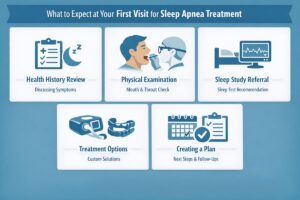
The first visit for sleep apnea treatment involves meeting with the dental provider to go over your condition. The main reason for your initial appointment in the dental office is to gain vital information on what to do to help alleviate your sleep apnea symptoms. This appointment can often be thought of as an evaluation, and from here, we will determine a personalized plan to help improve your life.
1. Health History Review And Discussing Symptoms
At the time of your visit with the dental professional for sleep apnea treatment in Fairhope, they will obtain all the information about your health and sleep history. This could include your sleep troubles for so long, and whether you snore or have breathlessness at night.
2. Physical Examination
The dentist may perform a physical examination to examine your mouth, throat, and jaw to understand how the size of your airway and its placement in your jaw affect your condition.
3. Sleep Study Referral
Depending on the results of your physical exam, they may want you to have a sleep study. This test is used to assess the extent of breathlessness during sleep and can be conducted at home or at a sleep center.
4. Treatment Plan
Your treatment options will be presented based on what is best for your body. Whether it’s a behavioral change, an oral device, or a CPAP machine, there is something right for everyone.
5. Creating a Plan
This first appointment will involve formulating a treatment plan, scheduling any additional appointments to further evaluate your sleep apnea, and determining your personal approach to improving sleep.
The Benefits of Seeking Treatment Early
Treatment for sleep apnea should be an immediate necessity; not addressing this condition can cause severe long-term health issues and many daily discomforts. Here are the reasons why you should undergo treatment without any further delay:
1. Help Prevent Serious Health Issues
Untreated sleep apnea is strongly correlated to high blood pressure, heart disease, and diabetes. This will severely affect your life span and quality of life. By treating your sleep apnea, you can help prevent these diseases.
2. Improve Daytime Performance
Lack of sleep from untreated sleep apnea leads to fatigue, difficulty concentrating, irritability, and poor performance at work. Sleep apnea treatment will help you feel alert, energized, and productive.
3. Enhance Quality of Life
Getting better sleep, feeling less sleepy throughout the day, and experiencing an improved mood can drastically increase your quality of life. Sleep apnea treatment is an essential tool for improving quality of life.
4. Reduce the Risk of Accidents
Sleepiness during the day is very prominent for sleep apnea sufferers, and this often puts people in the risky position to having accidents, especially while driving. Treat your sleep apnea so you can be alert.
Make healthy changes in your life by treating sleep apnea and feel the difference. Take action now!
Lifestyle Changes to Manage Sleep Apnea
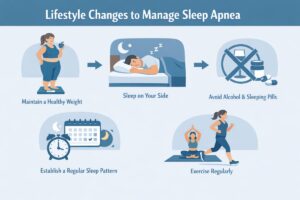
In addition to receiving the necessary treatment for sleep apnea, it can be very beneficial to implement some simple lifestyle changes into your daily routine. Implementing these practices will aid the effectiveness of your prescribed treatment and also improve your overall health.
- Maintain a healthy weight: Being overweight, especially around the neck, can put pressure on your airway, exacerbating sleep apnea. Losing a small amount of weight will significantly improve the effects of sleep apnea.
- Sleep on your side: When you sleep on your back, the soft palate can move down the back of your throat, which can close the airway. Sleeping on your side helps prevent the soft palate from moving and blocking the airway, which can improve sleep apnea symptoms.
- Avoid alcohol and sleeping pills: When drinking alcohol or taking sleeping pills, they tend to relax the muscles in the throat, which leads to the airway narrowing or collapsing, therefore making sleep apnea more significant.
- Establish a regular sleep pattern: Going to bed at the same time each night and waking at the same time each morning can help regulate your sleep and ensure you get more restful sleep.
- Exercise: Regular exercise can help maintain weight loss, improve sleep quality, and reduce symptoms of sleep apnea. Exercise may take the form of walking, jogging, or yoga.
Your Journey to Better Sleep Starts Today
Sleep apnea treatment can significantly improve your quality of life, and your first visit to Hollon and Taylor Dental Fairhope is an essential step in that journey. If you’re dealing with symptoms like snoring, fatigue, or difficulty sleeping, don’t wait. Schedule an appointment today and take the first step toward better sleep and improved health.
At Hollon and Taylor Dental Fairhope, we’re committed to helping you find the most effective treatment for your sleep apnea. Our team will work with you every step of the way to ensure you get the care and attention you deserve. Reach out today to learn more about sleep apnea treatment options and take control of your sleep health.
Questions People Ask About Sleep Apnea Treatment
- What is sleep apnea, and how do I know if I have it?
Sleep apnea is a sleep disorder where your breathing repeatedly stops and starts during sleep. Common signs include loud snoring, choking, or gasping for air while sleeping. If you suspect you have sleep apnea, speak with a dentist who can help assess your symptoms and recommend appropriate treatment. - Can a dentist help with sleep apnea?
Yes, dentists can play a key role in treating sleep apnea. They can create custom oral appliances that help reposition your jaw and keep your airway open while you sleep. This can be an effective alternative to CPAP therapy for some patients. - What is a sleep study, and why is it necessary?
A sleep study is a diagnostic test that records your sleep patterns and breathing during the night. It helps confirm whether you have sleep apnea and determines the severity of your condition. Your dentist may recommend a sleep study as part of the treatment process. - What are the treatment options for sleep apnea?
Treatment options for sleep apnea include lifestyle changes, CPAP therapy, oral appliances, and surgery. Your dentist will help determine the best course of action based on your symptoms and the results of your sleep study. - Is sleep apnea treatment covered by insurance?
Many dental insurance plans cover treatment for sleep apnea, including oral appliances. It’s important to check with your insurance provider to understand your coverage and treatment options. - How long will it take to feel better after starting treatment?
Many patients begin to notice improvements in their sleep quality and overall energy levels within a few weeks of starting treatment. However, the exact timeline varies depending on the individual and the treatment chosen. Your dentist will monitor your progress and make adjustments as needed.