101 Fly Creek Ave #301, Fairhope, AL 36532
Your dentist may already be checking, here’s what you should know.
Let’s be honest. Most of us sit in the dental chair worrying about our teeth, perhaps whether the cleaning will hurt, or when we can return to daily activities. Cancer is the last thing on anyone’s mind.
But here’s something you probably don’t know: Your dentist has likely been checking you for oral cancer at every routine appointment silently, and quickly, as part of the standard examination. No separate appointment. No dramatic announcement. Just a simple, quick check that most patients never even notice.
If you just thought, “Wait, my dentist has been doing that for years?” yes. And it matters more than most people realize.
What Is an Oral Cancer Screening?
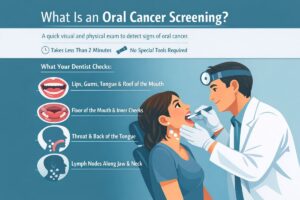
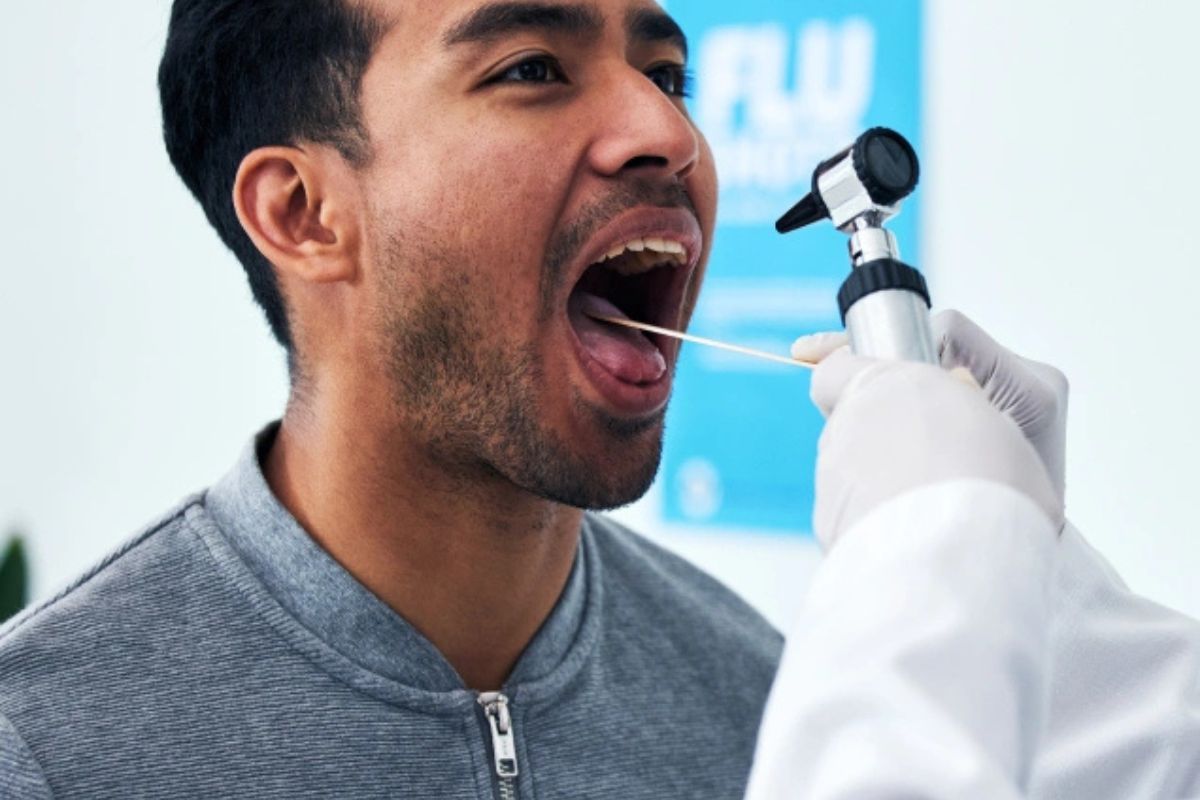
An oral cancer screening is a visual and physical examination of the mouth, throat, and nearby tissues. It takes less than two minutes and doesn’t require any specialized tools in most cases just good lighting and a trained eye.
What your dentist checks:
- The lips, gums, tongue, and roof of the mouth
- The floor of the mouth and inner cheeks
- The throat and the back of the tongue
- The lymph nodes along the jaw and neck
With oral cancer screenings in Fairhope, AL, they are searching for abnormal tissue, red or white patches, unusual sores, lumps, and structures that seem out of place.
Why Does It Matter So Much?
Many studies have shown that more than 58,000 Americans are diagnosed each year with oral cavity or oropharyngeal cancer. If caught in the relatively early stages, the survival rate improves dramatically — but far too often it is not.
Why? Oral cancer doesn’t always appear alarming initially. A little sore, a rough patch, mild swelling — easy to ignore or dismiss. By the time symptoms are difficult to ignore, the disease may have already progressed.
Routine dental visits to catch it early are among the best ways to prevent it.
Who Is at Higher Risk?
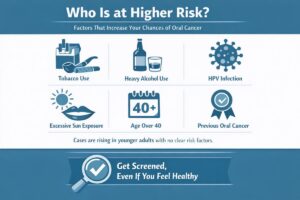
Any person could develop oral cancer, but some factors can put you at a higher risk:
- Using tobacco: cigarettes, cigars, chewing tobacco, or pipes
- Heavy alcohol consumption
- HPV (Human papillomavirus): particularly HPV-16, an increasingly common cause of throat cancers
- Extended sun exposure, which impacts the lips
- Age: the majority of cases are in those over 40
- History of prior oral cancer
Still, more and more cases are being seen in younger adults with no identified risk factors. That’s exactly why you’re supposed to get screened, even when you feel completely healthy.
What Happens If Something Looks Off?
Discovery of an abnormality during screening is not the same as a diagnosis. It’s just a reason to look a little more closely.
Your dentist may:
- Keep an eye on it for a couple of weeks to see if that clears up
- You’ll be referred to a surgeon or specialist
- Recommend a biopsy if needed
Most abnormal findings are nondangerous — a healing sore, mild irritation, or benign tissue change. But the others are much easier to detect early on.
Getting Screened in Fairhope, AL
If it’s been a while since you’ve been to the dentist, or if you recently relocated to the area, find out if any potential providers include oral cancer screenings in their routine care. For Fairhope, AL residents, this type of preventive dental care is available in town, so they do not need to drive far for a thorough exam.
Most local practices include oral cancer screenings in Fairhope, AL, as part of a typical check-up, so you can easily stay ahead of this with no extra work on your end.
Living near Mobile Bay, enjoying the outdoors, taking in community events along Fairhope Avenue — it’s a good life. Safeguarding your health so that you can continue to enjoy it is equally essential.
Symptoms You Should Tell Your Dentist About
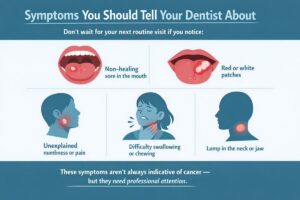
Don’t wait for your next routine visit if you notice:
- An open sore in your mouth that has not healed for more than two weeks
- A persistent red or white patch on the gums, tongue, or cheek
- Numbness or pain in the mouth or throat that is unexplained
- Difficulty swallowing or chewing
- A mass in the neck or jaw region
These symptoms aren’t always indicative of cancer but they need professional attention.
Take the Next Step Toward Better Oral Health
Preventive care is key to good dental health. When used alongside routine cleanings and gum disease evaluations, as well as cosmetic dental options for long-term oral health, screenings like this provide you with a more complete picture of what is happening inside your mouth not just in your teeth.
You’ve Already Done the Hard Part Now, Just Show Up
If you’re reading this, you care about your health. That’s a good start. Then it is just time to schedule your normal dental appointment and let them handle the rest.
At Hollon & Taylor Dental, oral cancer screenings in Fairhope, AL, are also included in our standard exams for every patient. Our team is here to ensure that nothing slips through the cracks and that you walk away from every visit feeling confident in your health.
Schedule your visit today. A two-minute check could save the day.
Common Questions People Ask
- Is an oral cancer screening painful?
No. It’s a quick visual and physical exam. There’s no discomfort involved in the standard screening process.
- How often should I get screened for oral cancer?
Once a year is generally recommended, ideally during your routine dental checkup. If you have risk factors, your dentist may suggest more frequent monitoring.
- Can oral cancer develop even if I don’t smoke or drink?
Yes. HPV is now a recognized risk factor, and cases in non-smokers are increasing. Everyone benefits from routine screenings.
- What does an oral cancer screening cost?
In most cases, it’s included in a regular dental exam and covered under standard dental visits. Check with your provider about your specific plan.
- What does oral cancer look like in the early stages?
It often appears as a small red or white patch, a sore that won’t heal, or a subtle lump. Early signs can easily be mistaken for minor irritation, which is why professional evaluation matters.