
101 Fly Creek Ave #301, Fairhope, AL 36532

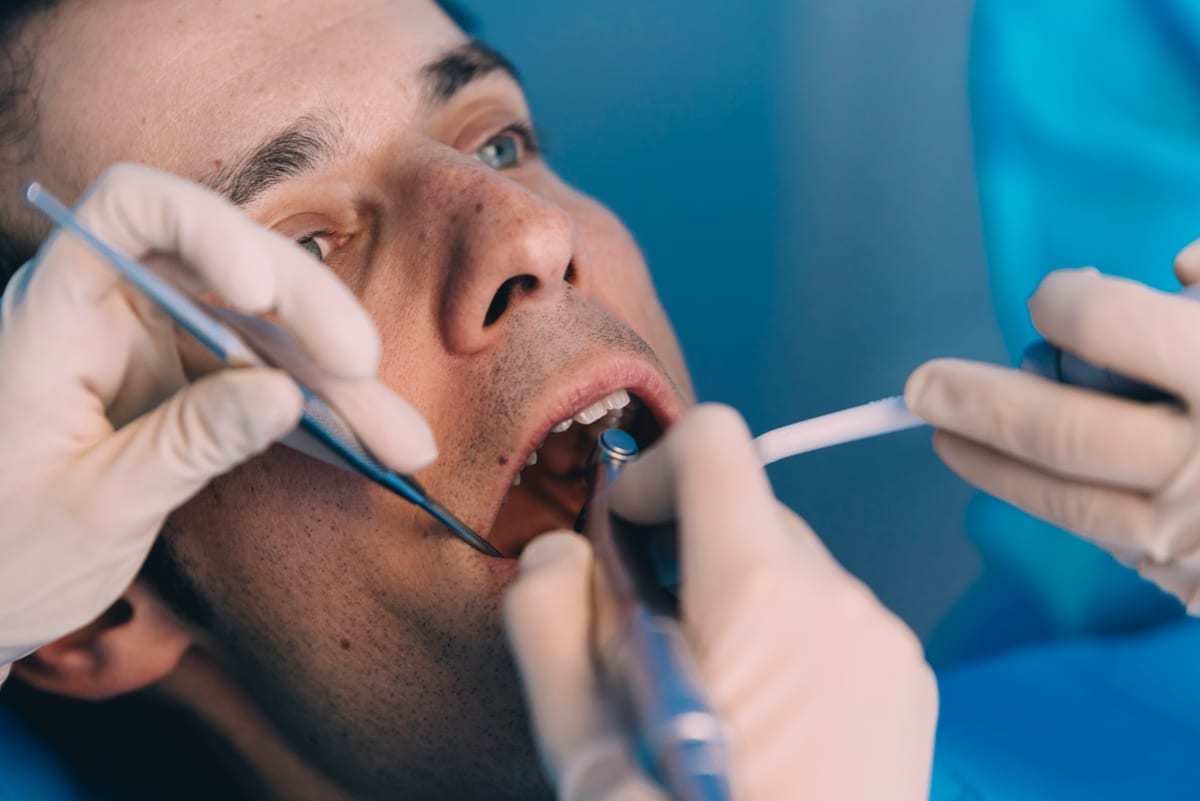
Root canal reality: what you’ll actually feel during treatment in Fairhope is far less frightening than most people expect. Decades of horror stories have made root canals one of dentistry’s most feared procedures. But modern techniques and better anesthesia have changed everything. Dr. Robin Hollon at Hollon and Taylor Dental is here to walk you through every step — honestly and clearly.
Understanding what truly happens during the procedure helps dissolve fear before it takes hold. This guide explains each stage in plain language. You will know exactly what sensations to expect and when. Knowledge is one of the most powerful tools for managing dental anxiety.
Why Root Canals Feel Nothing Like Their Reputation in Fairhope
Most people associate root canals with intense pain. That reputation comes from an era before advanced local anesthetics existed. Today, the procedure itself relieves pain rather than causes it. The discomfort you feel before treatment — from infection or inflammation — is typically far worse than anything during it.
At Hollon and Taylor Dental, Dr. Hollon uses precise numbing techniques to ensure deep anesthesia. Patients are often surprised by how calm and comfortable they feel once treatment begins. Many compare the experience to getting a routine filling. The goal is always a pain-free appointment from start to finish.
Root canals become necessary when the soft tissue inside a tooth — the pulp — gets infected or inflamed. This can happen from deep decay, a crack, or repeated dental work on the same tooth. Removing and cleaning that infected pulp stops the pain permanently. It also saves your natural tooth from extraction.
Step-by-Step: What You’ll Actually Feel During Each Stage
Walking through each stage of the procedure removes the mystery entirely. Here is exactly what happens and what you will feel at every point.
- Numbing the area: Dr. Hollon applies a topical anesthetic to your gum first. Then she delivers a local anesthetic injection. You may feel mild pressure and a brief pinch. Within a minute or two, the entire area becomes numb.
- Placing the rubber dam: A small rubber sheet isolates the tooth. You feel gentle pressure as it is placed. This keeps the area clean and dry throughout. It also protects you from any materials used during the procedure.
- Accessing the pulp chamber: Dr. Hollon drills a small opening into the top of your tooth. You feel vibration and pressure — but no pain. The numbing prevents any sharp sensations entirely.
- Cleaning the canals: Tiny instruments remove infected pulp from inside the tooth. You may feel slight pressure or a dull sensation. Some patients feel nothing at all at this stage. The process is methodical and precise.
- Shaping and rinsing: The canals are shaped and flushed with an antimicrobial solution. You may taste or smell the rinse briefly. This step eliminates bacteria deep inside the tooth. There is no discomfort involved.
- Filling the canals: A biocompatible rubber material called gutta-percha seals the cleaned canals. You feel mild pressure as it is placed. This sealing prevents future infection. The tooth is then temporarily or permanently sealed on top.
The entire appointment typically takes between 60 and 90 minutes. Most patients feel relieved long before they leave the chair. Knowing these steps ahead of time makes a significant difference in how relaxed you feel throughout.
What You Feel After Treatment and How to Manage It
Some mild soreness is normal for a few days after your root canal. This is your body responding to the procedure, not damage. Over-the-counter pain relievers like ibuprofen manage it easily. Dr. Hollon will give you clear aftercare instructions before you leave.
Here are common sensations patients report in the days following treatment:
- Mild tenderness when biting or pressing on the tooth
- Slight sensitivity in the surrounding gum tissue
- A feeling of pressure or fullness around the treated area
- Occasional jaw soreness from keeping your mouth open during the procedure
These sensations typically fade within two to three days. Serious or worsening pain is uncommon and should prompt a call to our office. Most patients return to normal activities the very same day. Many head straight back to work after their appointment.
A crown is usually placed over the treated tooth at a follow-up visit. This protects it from cracking under chewing pressure. Dr. Hollon will discuss the best restoration option for your specific tooth. Restorative Dentistry Fairhope patients can trust that every step is handled with precision and care.
How Dr. Hollon Keeps Fairhope Patients Comfortable Throughout
Comfort during dental treatment is a priority at Hollon and Taylor Dental. Dr. Hollon takes time before any procedure to explain what you will feel and when. She checks in with patients regularly throughout the appointment. You are always in control of the pace.
If you feel any discomfort at any point, you can raise your hand to pause the procedure. Additional anesthetic is always available if needed. No one in our Fairhope office expects you to push through discomfort silently. Your comfort drives every decision made during your care.
Patients with dental anxiety are especially welcome here. Dr. Hollon has helped many anxious Fairhope residents get through procedures they once thought impossible. A calm, friendly environment makes a genuine difference. The team’s warmth is not performative — it is built into every appointment.
Beyond root canals, Dr. Hollon offers a full range of treatments to restore and enhance your smile. Whether your goals are functional or aesthetic, the practice can help. Explore Cosmetic Dentistry Fairhope options if you want to improve your smile after your tooth is saved and healthy.
Signs You Might Need a Root Canal in Fairhope
Recognizing the warning signs early can prevent more complex treatment later. Some symptoms are obvious, while others are surprisingly subtle. Here are the most common indicators that a root canal may be necessary:
- Persistent toothache that does not go away on its own
- Sharp pain when biting down or chewing
- Prolonged sensitivity to hot or cold temperatures
- Darkening or discoloration of a single tooth
- Swelling or tenderness in the gum near a tooth
- A small pimple-like bump on the gum that keeps returning
None of these symptoms mean you should panic. They do mean you should call our Fairhope office promptly. Early intervention leads to simpler, more comfortable treatment. Waiting often makes infection worse and recovery longer.
Dr. Hollon will take X-rays and conduct a thorough exam before recommending any treatment. A root canal is only recommended when it is genuinely the best option for your health. You will receive a clear explanation of the diagnosis and all available choices. Informed patients make better decisions about their own care.
Your Comfort Is the Priority at Every Step
Root canal reality is this: the procedure is far more manageable than its reputation suggests. Modern dentistry has eliminated the pain people used to associate with this treatment. What remains is a straightforward process that saves teeth and stops infection. Dr. Robin Hollon and the team at Hollon and Taylor Dental are committed to making your experience calm, clear, and comfortable from the first numbing injection to the final restoration.
If you are experiencing tooth pain or suspect you may need a root canal, do not delay care. Early treatment is always easier. Book Now to schedule your appointment with our team.
Frequently Asked Questions
Does a root canal hurt during the procedure?
No. With modern local anesthetics, the procedure itself should be pain-free. You may feel pressure or vibration, but not sharp pain. Dr. Hollon ensures full numbness before any work begins and checks in with you throughout.
How long does a root canal take at Hollon and Taylor Dental?
Most root canals take between 60 and 90 minutes in a single appointment. Complex cases or additional canals may require a second visit. Dr. Hollon will give you a clear time estimate before you begin.
What should I do to prepare for my root canal appointment in Fairhope?
Eat a meal beforehand, since your mouth will be numb for a few hours after the procedure. Avoid alcohol the night before and get a good night’s rest. Let the team know about any medications you take or any anxiety you feel — they are happy to help.
Will I need a crown after my root canal?
In most cases, yes. A crown protects the treated tooth from fracturing under normal chewing pressure. Dr. Hollon will discuss the best restoration option for your specific tooth during your appointment.
How soon can I return to normal activities after treatment?
Most patients return to work or daily activities the same day. Avoid hard or crunchy foods until the tooth is fully restored with a crown. Mild soreness typically resolves within two to three days with over-the-counter pain relief.