101 Fly Creek Ave #301, Fairhope, AL 36532
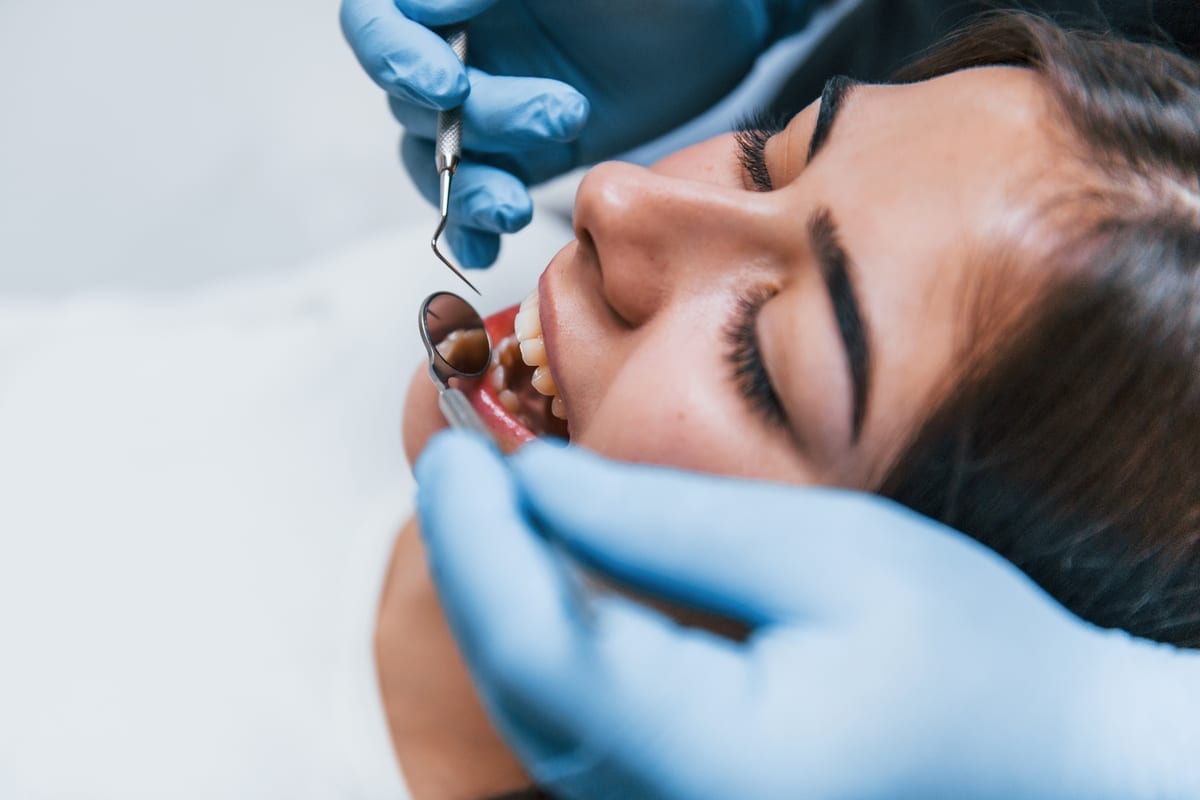
If you wince during a dental cleaning, you are not alone. Many patients in Fairhope, AL experience sensitivity during routine visits. Understanding why your teeth feel sensitive during cleanings—and how we stop it in Fairhope—can make a real difference in how you feel about your next appointment. At Hollon and Taylor Dental, Dr. Robin Hollon and our hygiene team work hard to keep every visit as comfortable as possible.
Sensitivity during cleanings is one of the most common concerns we hear. It does not mean something is wrong with you. It does mean your teeth are telling you something worth paying attention to. Let us walk you through what is really happening—and what we do about it.
Why Your Teeth Feel Sensitive During Cleanings
Sensitivity during a dental cleaning usually comes from exposed dentin. Dentin is the layer just beneath your tooth enamel. When enamel wears down or gums recede, dentin becomes exposed. Tiny tubes inside dentin connect directly to nerve endings. When a hygienist’s instrument touches exposed dentin, it can trigger a sharp, brief sensation.
Gum recession is another major cause. As gums pull back, the root surface of your tooth becomes uncovered. Roots do not have enamel protecting them. They are far more sensitive to pressure, temperature, and touch than the crown of the tooth.
Here are the most common reasons patients experience sensitivity during cleanings:
- Enamel erosion from acidic foods and drinks
- Gum recession caused by brushing too hard
- Early-stage gum disease, also called gingivitis
- Cracked or chipped teeth exposing inner layers
- Naturally thin enamel, which some patients are born with
- Buildup of tartar near the gumline that inflames tissue
Tartar buildup is especially important to understand. When tartar accumulates along the gumline, it causes inflammation. Inflamed gum tissue is more sensitive during cleaning. Removing tartar is necessary, but it can temporarily increase discomfort in already irritated areas.
How Our Fairhope Hygiene Team Minimizes Your Discomfort
Our hygienists at Hollon and Taylor Dental take sensitivity seriously. Before your cleaning even begins, they ask about any areas of concern. This allows them to adjust their technique and tools before you feel any discomfort. Communication is key from the very first moment.
We use several approaches to reduce sensitivity during your visit:
- Applying a topical numbing gel to sensitive gum areas before scaling
- Using ultrasonic scalers that use vibration and water rather than sharp pressure
- Adjusting the water temperature to avoid triggering cold sensitivity
- Taking breaks when needed so you can breathe and regroup
- Working in small sections to avoid overwhelming sensitive spots
We also encourage patients to raise their hand if they need a moment. There is no rushing at our Fairhope practice. Your comfort guides the pace of the appointment. Dr. Robin Hollon believes that a calm, communicative environment leads to better long-term dental health.
In cases of significant sensitivity, we may recommend a desensitizing treatment before or after your cleaning. These treatments contain fluoride or potassium nitrate. Both ingredients help block the tiny tubes in dentin. Over time, this reduces the pain signals reaching your nerves.
When Sensitivity Signals Something That Needs Treatment
Sometimes sensitivity during cleanings points to an underlying issue. Mild sensitivity from thin enamel or minor recession is very common. But persistent, sharp, or worsening sensitivity can indicate something more serious. Our team is trained to spot the difference.
Periodontal disease is one condition we watch for closely. When the bone and tissue supporting your teeth become infected, the gumline drops significantly. This leaves large portions of the root exposed. Cleaning becomes more uncomfortable because there is simply more sensitive surface area involved. Our practice offers Restorative Dentistry Fairhope patients trust to address these concerns thoroughly and compassionately.
Cracked teeth can also cause intense, localized sensitivity during cleanings. A crack that reaches the inner pulp of the tooth may require root canal treatment. We always examine sensitive areas carefully. Catching these problems early leads to simpler, more comfortable solutions.
If your sensitivity has been building over time, please tell your hygienist. Do not wait until it becomes unbearable. Early intervention almost always means less treatment and less discomfort down the road.
What You Can Do at Home to Reduce Sensitivity Before Your Visit
You have more control over sensitivity than you might think. Small changes to your daily routine can make your next cleaning significantly more comfortable. Our team always shares practical tips tailored to each patient’s specific situation.
Start by switching to a soft-bristled toothbrush if you have not already. Hard bristles wear down enamel and push gums away from teeth over time. Brush gently using small, circular motions. This cleans effectively without causing further recession or enamel loss.
Use a sensitivity toothpaste consistently for at least two weeks before your appointment. These toothpastes contain ingredients that gradually block dentin tubules. They work best with regular use, not just the night before your visit. Many patients notice a meaningful reduction in discomfort after consistent use.
Also consider your diet. Acidic foods and beverages like citrus, soda, and vinegar weaken enamel over time. Rinsing with water after eating acidic foods helps neutralize the effect. Staying hydrated also supports healthy saliva production, which naturally protects your teeth. If you are interested in strengthening and enhancing your smile further, our team offers Cosmetic Dentistry Fairhope residents can explore alongside their preventive care.
Reassurance for Anxious Patients in Fairhope
We understand that sensitivity can make patients dread their cleanings. Some people avoid the dentist entirely because of past painful experiences. We want you to know that Hollon and Taylor Dental is a judgment-free space. Dr. Robin Hollon and our entire team genuinely care about your experience, not just your teeth.
If you feel anxious, tell us before your appointment. We can plan your visit with extra time, gentler tools, and more frequent check-ins. Many of our most anxious patients become our most consistent patients once they feel heard and respected. That transformation is something our team finds deeply rewarding.
Skipping cleanings due to sensitivity actually makes the problem worse. Tartar and plaque accumulate faster between visits. More buildup means more inflammation, which means more sensitivity at the next appointment. Regular cleanings—done gently and thoughtfully—actually reduce sensitivity over time.
We are here to help you break that cycle. Every step we take is designed to build your trust and improve your comfort.
Conclusion
Tooth sensitivity during cleanings is common, manageable, and often preventable. Understanding the root causes helps you take steps at home. Choosing the right dental team makes every appointment easier. At Hollon and Taylor Dental Fairhope, Dr. Robin Hollon and our hygiene team are committed to making your cleaning as comfortable as it can be. Book Now to schedule your appointment with our team.
Frequently Asked Questions
Why do my teeth hurt so much when the hygienist cleans near my gums?
Sensitivity near the gumline usually means the gum tissue is inflamed or has receded. Inflamed gums are more reactive to touch and pressure. Tartar buildup along the gumline also contributes. Our hygienists use gentle techniques and topical numbing agents to reduce discomfort in these areas.
Is it normal to feel sensitivity only during cleanings and not at other times?
Yes, this is very common. The instruments used during cleaning apply direct pressure to teeth and gums. Daily activities like eating and drinking may not trigger the same response. However, we always evaluate persistent or worsening sensitivity to rule out underlying issues.
Can I ask my hygienist to stop if the sensitivity becomes too much?
Absolutely. We encourage all patients to raise their hand or say something if they need a break. There is no pressure to push through discomfort at our practice. Your comfort and trust are our first priority at every appointment.
Will sensitivity during cleanings get better over time with regular visits?
In most cases, yes. Regular cleanings reduce the tartar and inflammation that cause sensitivity. Gum tissue becomes healthier and less reactive between visits. Patients who come in consistently often report that their cleanings become easier and more comfortable over time.
What should I do if my teeth are extremely sensitive before my next cleaning?
Start using a sensitivity toothpaste at least two weeks before your appointment. Switch to a soft-bristled toothbrush and brush gently. Let our team know about your sensitivity when you arrive. We can apply numbing gel and adjust our approach to make your visit more manageable.