
101 Fly Creek Ave #301, Fairhope, AL 36532
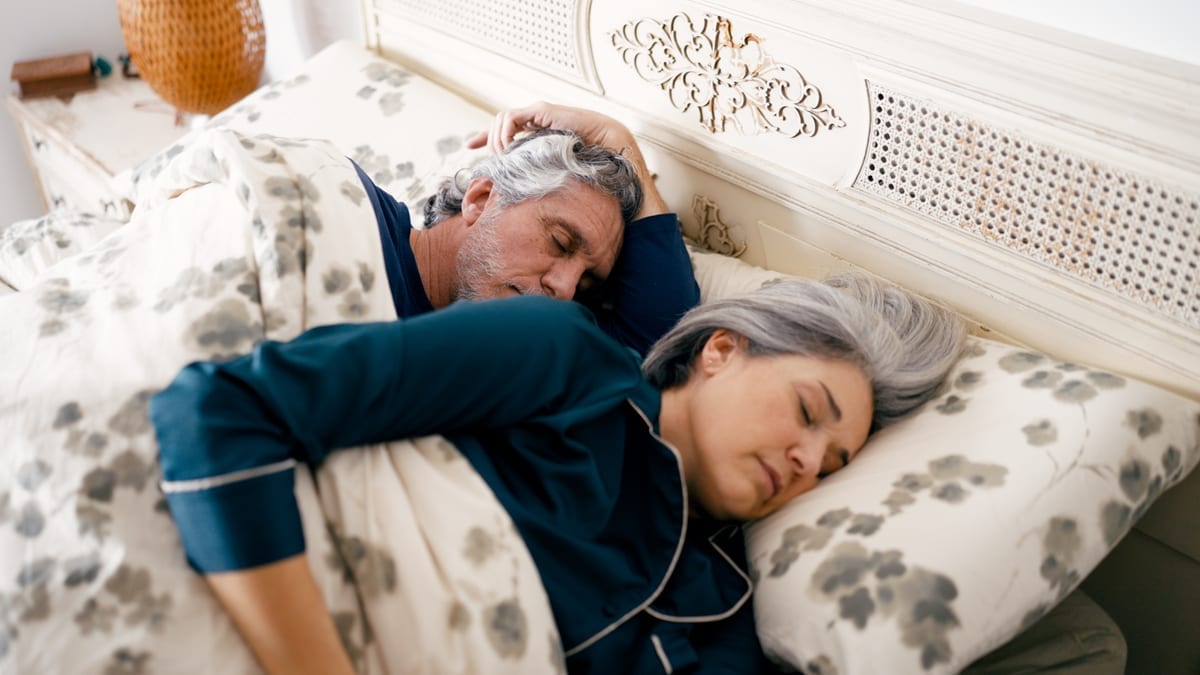
Many people in Fairhope dismiss their snoring as a minor annoyance. But understanding why untreated sleep apnea could be affecting your health today in Fairhope is more important than most people realize. Sleep apnea is a serious medical condition — not just a sleep disruption. Left unaddressed, it can quietly damage your heart, brain, and overall quality of life.
At Hollon and Taylor Dental Fairhope, Dr. Robin Hollon helps patients recognize and address sleep apnea before it escalates. This article explains the real health risks of leaving this condition untreated and why acting sooner matters.
What Sleep Apnea Actually Does to Your Body
Sleep apnea causes repeated interruptions in your breathing during sleep. Each pause deprives your body of oxygen — sometimes hundreds of times per night. Your brain and heart respond to each episode with a stress response. Over time, this constant strain takes a serious toll.
The most common form, obstructive sleep apnea, occurs when throat muscles relax and block the airway. Many people don’t realize it’s happening because they remain partially asleep. A partner may notice the gasping or choking sounds. Others simply feel exhausted every morning with no clear explanation.
Here are some of the most common warning signs of untreated sleep apnea:
- Loud, persistent snoring throughout the night
- Waking up with a dry mouth or sore throat
- Morning headaches that occur regularly
- Excessive daytime fatigue despite a full night in bed
- Difficulty concentrating or remembering things
- Mood changes, irritability, or depression
If several of these sound familiar, it’s worth having a professional evaluation right away.
Why Untreated Sleep Apnea Could Be Affecting Your Health Today in Fairhope
Sleep apnea doesn’t stay contained to just nighttime symptoms. It has measurable effects on your cardiovascular system, metabolic health, and mental well-being. Research consistently links untreated sleep apnea to elevated blood pressure. Your heart works harder every time your oxygen levels drop.
Repeated oxygen deprivation also increases inflammation throughout the body. This raises the risk of serious events like heart attack and stroke. People with untreated sleep apnea are significantly more likely to develop type 2 diabetes. The condition disrupts hormones that regulate blood sugar and appetite.
Here is what the research tells us about long-term health consequences:
- High blood pressure affects the majority of people with untreated sleep apnea
- Heart disease risk increases substantially with severe or prolonged apnea
- Stroke risk is two to four times higher in untreated patients
- Metabolic syndrome and insulin resistance are more common
- Cognitive decline and memory problems can develop over time
- Increased risk of accidents from daytime drowsiness is well-documented
These aren’t distant possibilities. These are outcomes that develop gradually and worsen the longer treatment is delayed.
The Connection Between Sleep Apnea and Your Oral Health
As a dental practice, Hollon and Taylor Dental Fairhope approaches sleep apnea from a unique and valuable perspective. Your mouth and jaw play a central role in airway health. Dentists are often the first to spot warning signs that physicians may miss during routine visits.
Teeth grinding, or bruxism, is strongly associated with sleep apnea. The jaw clenches as the body tries to reopen a blocked airway. This grinding wears down enamel and can cause significant tooth damage over time. TMJ discomfort is also common in patients with untreated sleep apnea.
Periodontal health may also be affected. Poor sleep impairs immune function, making gum tissue more vulnerable to infection and inflammation. Dry mouth caused by mouth breathing further increases the risk of tooth decay and gum disease. Treating sleep apnea can genuinely improve your overall oral health outcomes.
Dr. Robin Hollon offers oral appliance therapy as a highly effective treatment option. These custom-fitted devices reposition the jaw during sleep to keep the airway open. Many patients find them far more comfortable than traditional CPAP machines. They are compact, easy to travel with, and simple to use.
What Happens When You Delay Treatment
Some patients tell themselves they’ll address sleep apnea eventually. But delay has real costs that compound over time. Each night of untreated apnea adds stress to your cardiovascular system. The cumulative damage builds quietly and persistently.
Daytime drowsiness from poor sleep affects your work performance and personal relationships. Fatigue impairs judgment the same way alcohol does. Drowsy driving is responsible for thousands of accidents every year. These are risks that begin affecting your daily life long before a formal diagnosis.
Children and adults alike experience cognitive effects from disrupted sleep. Memory consolidation happens during deep sleep stages. Sleep apnea prevents reaching those restorative stages consistently. Over time, this can contribute to memory difficulties and reduced mental sharpness.
The good news is that treatment works. Patients who begin treatment report rapid improvements in energy, mood, and concentration. Blood pressure often decreases as breathing normalizes during sleep. Your body is remarkably capable of recovering when it finally gets the rest it needs.
How Dr. Robin Hollon Can Help You in Fairhope
At Hollon and Taylor Dental Fairhope, sleep apnea treatment begins with a thorough evaluation. Dr. Hollon reviews your symptoms, dental history, and airway anatomy. She works collaboratively with physicians when a formal sleep study is needed. Her goal is to ensure you receive the most appropriate and effective care.
Oral appliance therapy is just one part of the comprehensive care offered here. The practice also provides Restorative Dentistry to address any tooth damage caused by grinding associated with sleep apnea. If you’re interested in refreshing your smile alongside your health, Cosmetic Dentistry options are also available to help you look and feel your best.
Dr. Hollon takes a patient-centered approach that prioritizes education and comfort. She explains every step of your treatment clearly and answers all your questions. You’ll never feel rushed or pressured. The team is genuinely committed to your long-term health and well-being.
Fairhope residents deserve access to care that addresses the whole picture of their health. Sleep apnea treatment at Hollon and Taylor Dental offers exactly that — a dental solution to a systemic health problem. Taking that first step is simpler than most people expect. Book Now to schedule your appointment with our team.
Frequently Asked Questions
How do I know if I have sleep apnea?
Common signs include loud snoring, waking up gasping, morning headaches, and extreme daytime fatigue. If a partner has noticed you stop breathing during sleep, that is a strong indicator. A dental or medical evaluation is the best first step toward getting a proper diagnosis and effective treatment.
Can a dentist really treat sleep apnea?
Yes. Dentists trained in sleep medicine can provide oral appliance therapy, which is an FDA-approved treatment for mild to moderate obstructive sleep apnea. Custom-fitted devices reposition the jaw to keep the airway open during sleep. Dr. Robin Hollon at Hollon and Taylor Dental Fairhope offers this comfortable and effective option.
Is untreated sleep apnea dangerous?
Untreated sleep apnea significantly increases the risk of high blood pressure, heart disease, stroke, and type 2 diabetes. It also contributes to daytime drowsiness that can lead to accidents. The longer sleep apnea goes untreated, the greater the cumulative damage to your overall health.
What is the difference between a CPAP and an oral appliance?
A CPAP machine uses pressurized air delivered through a mask to keep the airway open. An oral appliance is a custom-fitted mouthguard-like device that gently repositions the jaw. Many patients prefer oral appliances because they are quieter, smaller, and easier to use. Both are effective, and your provider can help determine which option suits your needs.
How soon will I feel better after starting treatment?
Many patients notice improvements in energy, mood, and concentration within the first few weeks of consistent treatment. Blood pressure and other health markers often improve over time as well. Results vary based on the severity of your condition and how consistently you use your treatment device.